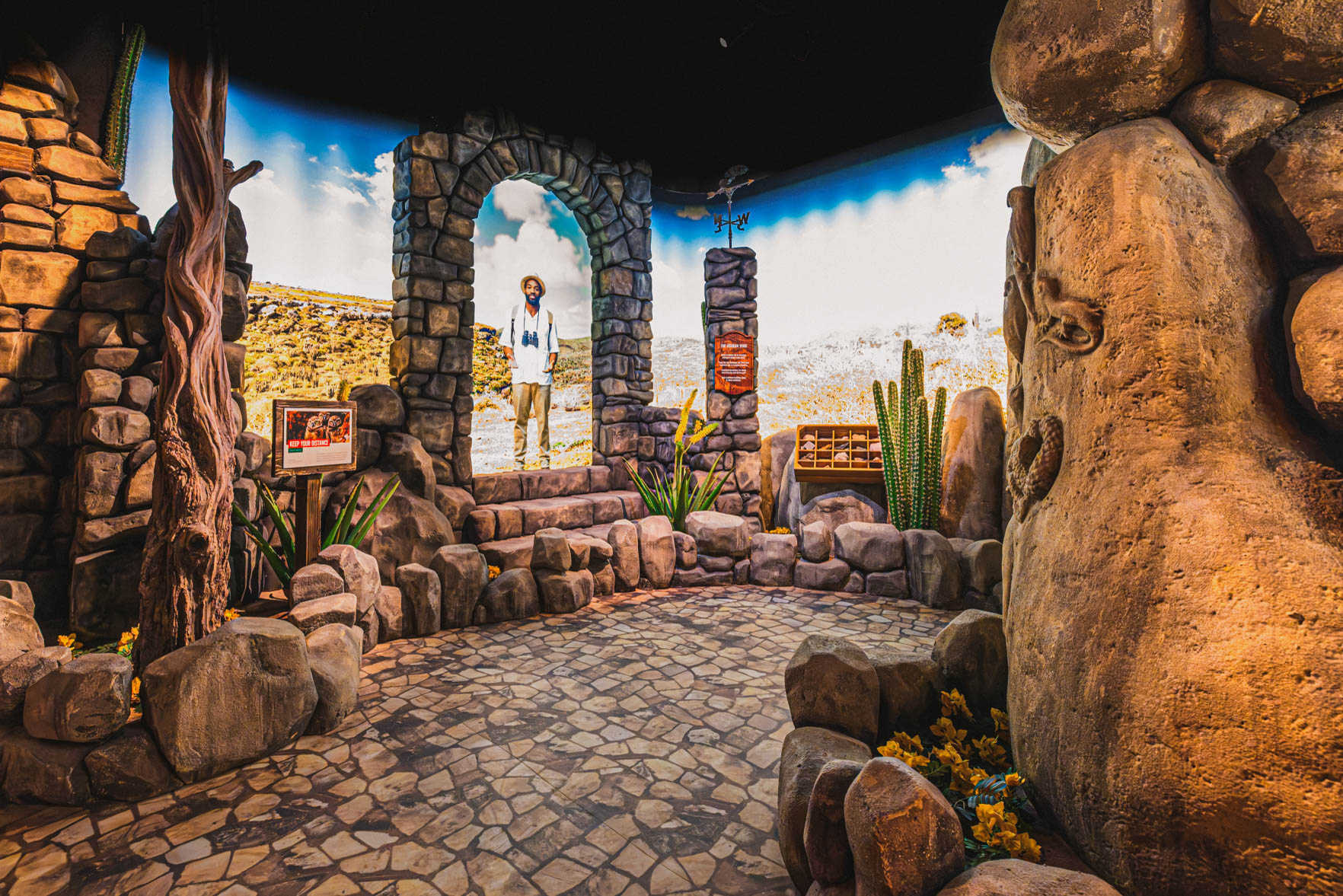



A Toast to Island Pride
Aruba’s beauty is clear to see, but what’s unforgettable is the way you’re welcomed in. Culture here isn’t kept. It’s shared with neighbors and guests alike. At the Balashi Beer Experience, we raise a glass to that spirit. Every visitor leaves with a taste of what it means to be Aruban.



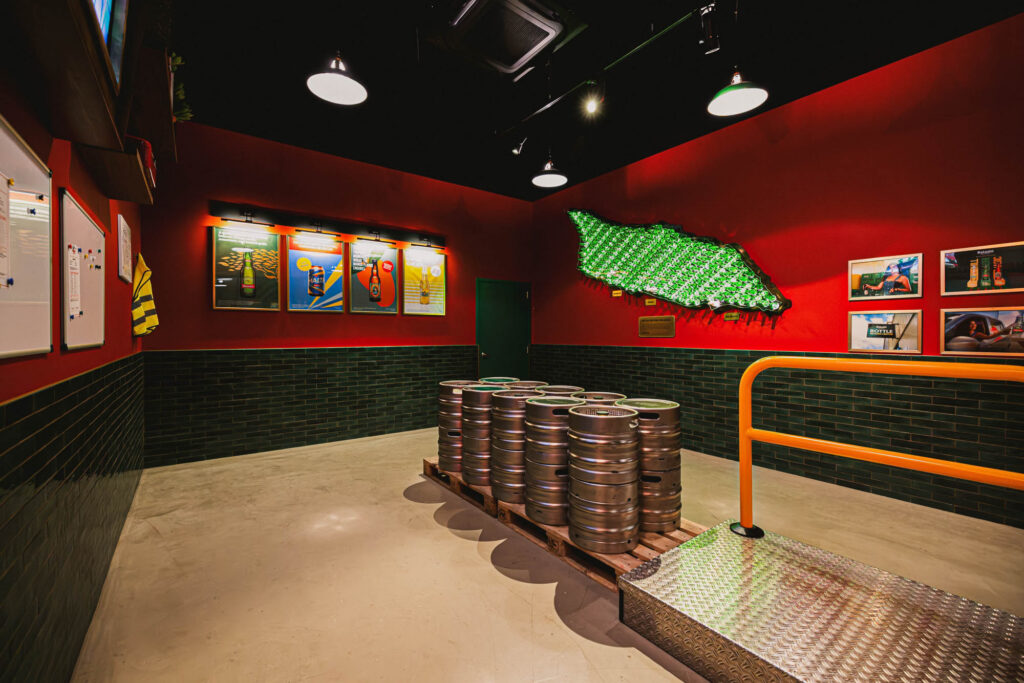



A Mosaic of People, Flavors, and Roots
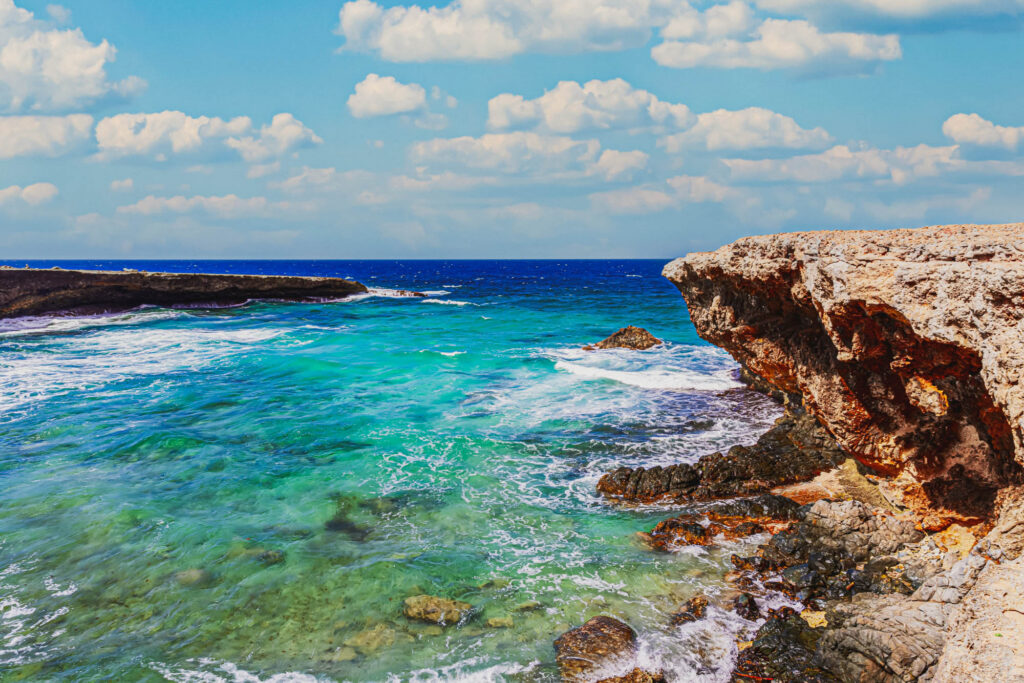
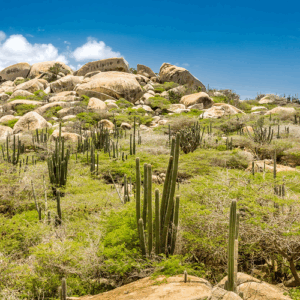
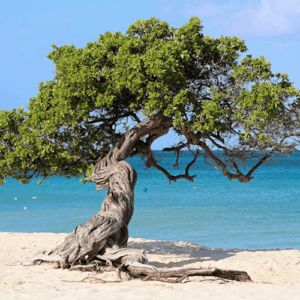
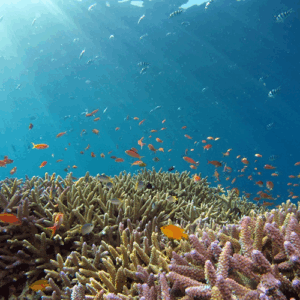
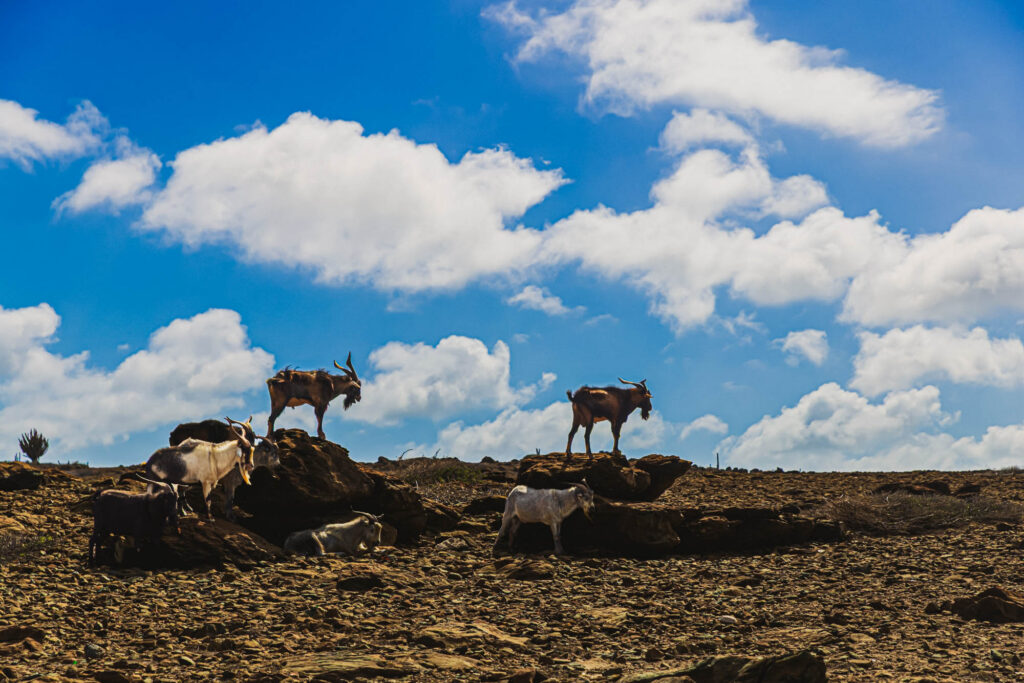
Aruba is a tapestry woven from contrasts, including desert landscapes that meet turquoise seas, and modern life grounded in traditions passed through generations. The island carries traces of every influence that touched its shores: Dutch trade routes, Caribbean rhythms, Latin flavors, and African roots.

Book Your Visit &
Live Your Aruban Story
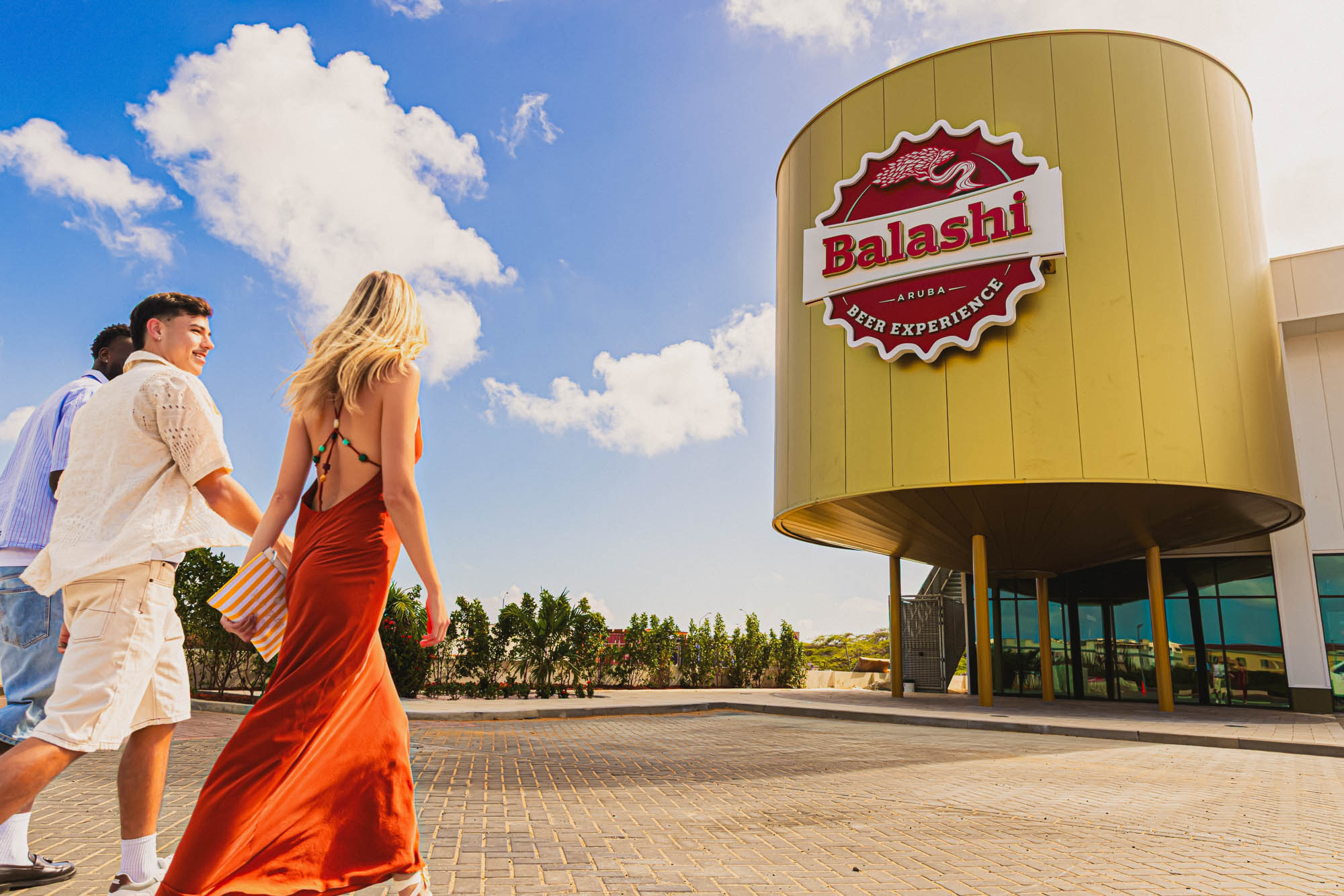
Plan your visit your way. From single tickets to group celebrations, with add-ons and tastings along the path, each option invites you deeper into the Balashi Beer Experience.

A Brew With a Bigger Promise
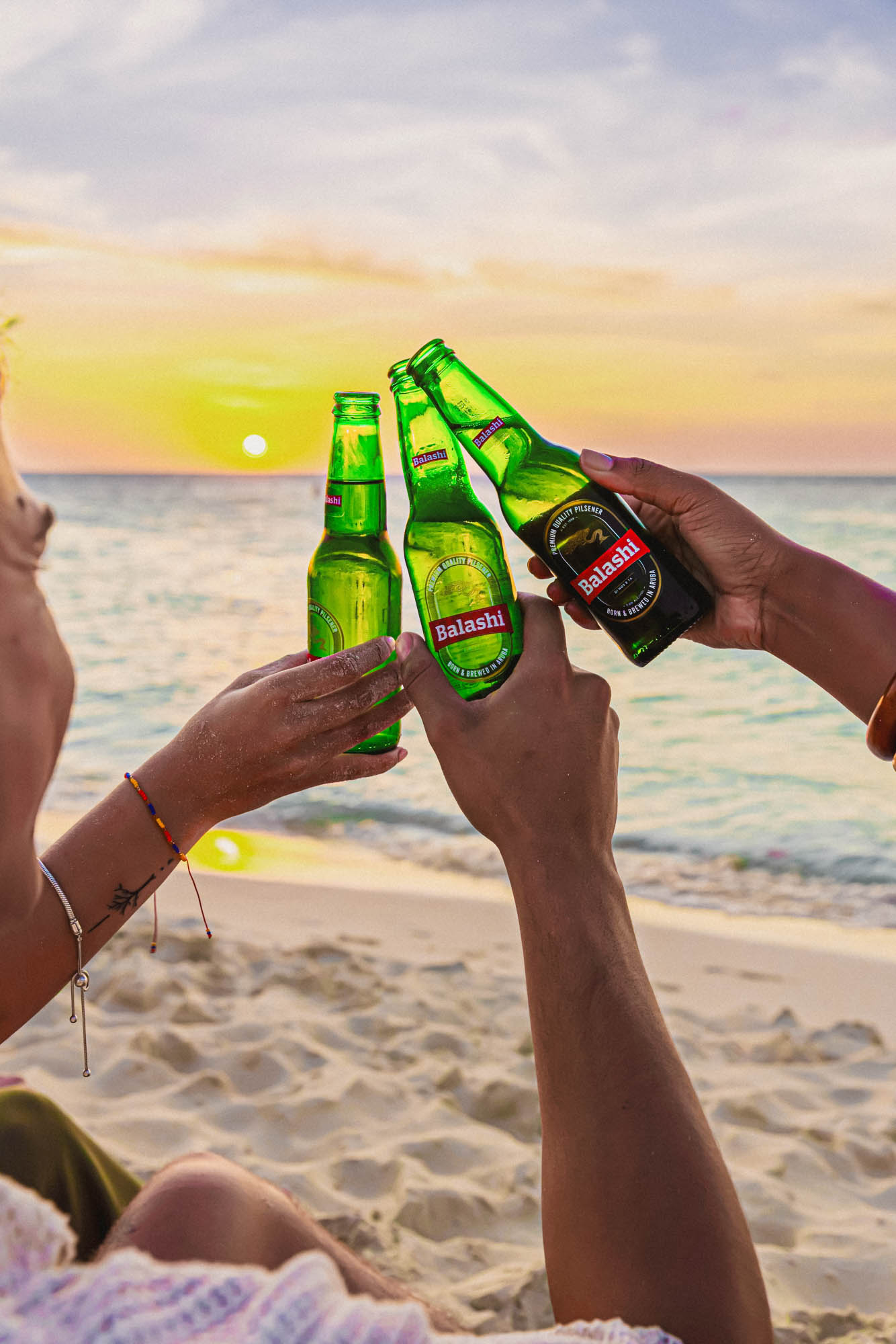
Balashi Beer is ingrained in the story of Aruba. It’s on the tables of families at Sunday gatherings, in the hands of workers as they mark the weekend, and at the center of festivals where music spills into the streets. More than a drink, it has become a symbol of how the island celebrates, connects, and endures together.
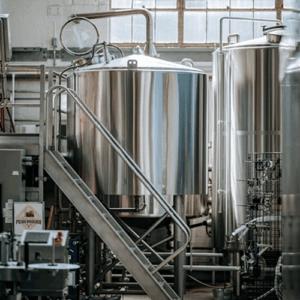
That same spirit of connection extends to the land itself. Balashi belongs to Aruba, and we protect what makes it possible. We brew with desalinated seawater, recycle our bottles, and hold ourselves to sustainable practices that respect the island’s limited resources.
Our pride lives in every pour and in knowing the generations after us will still be raising a glass.
For visitors, Balashi is an open invitation. Locals already know what it means to crack one open at the end of a long day. One sip and you’re part of that story. Locals have known it for years. Now you do too.

Discover the Balashi Beer Experience
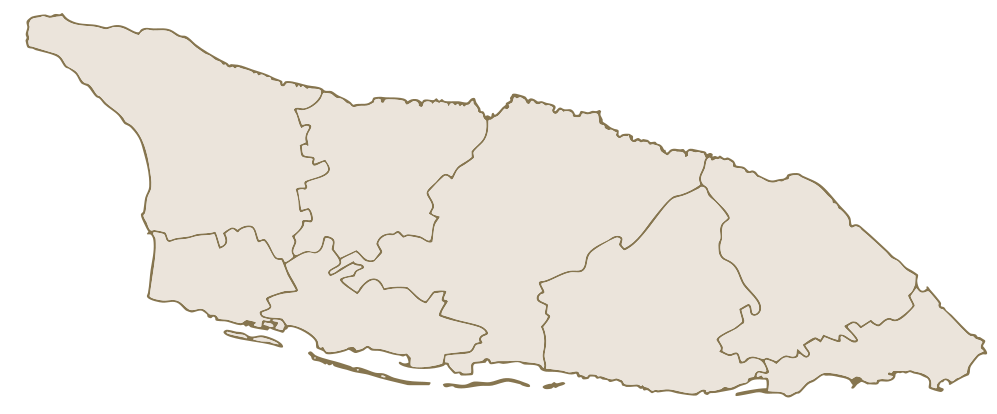




Experience the taste of Aruba
Journey Through Aruba’s Story

The First People
The story of Aruba begins with the Caquetío people, who paddled across the sea from South America in roughly 1000 A.D., and made this island their home. They made carvings on cave walls that still whisper about their presence, even today. These markings remind us that Aruba has always been a place of gathering, expression, and life shared under the sun.
European Arrival & Shifting Seas
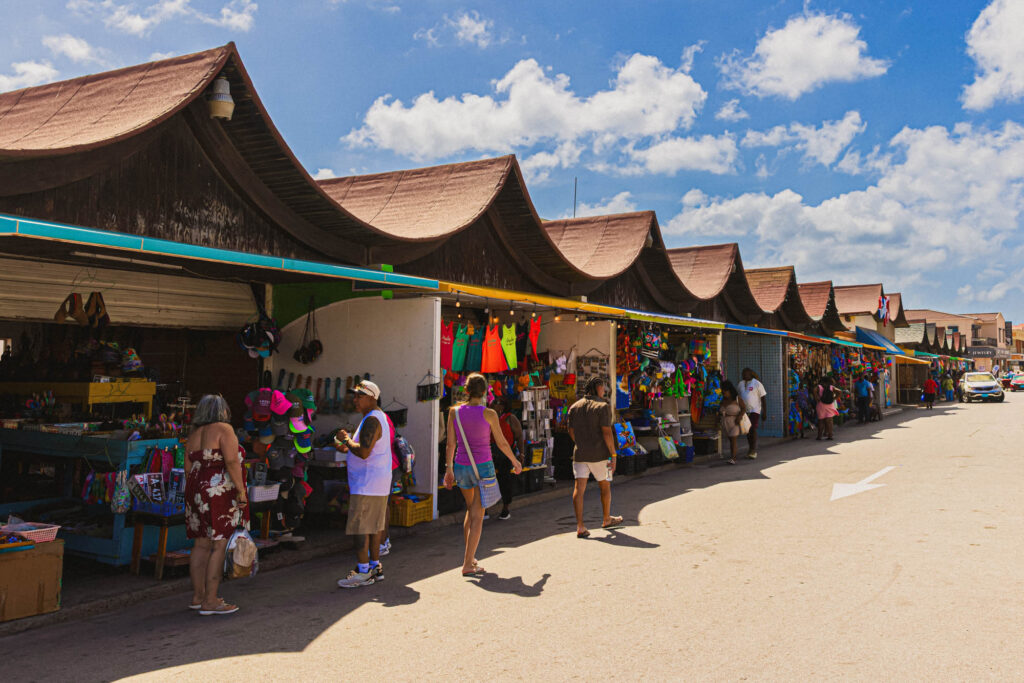
By 1499, European powers turned their eyes toward Aruba. Spain held it first, the Dutch after, with the British in between. Each shifting wave of influence left something behind—from the colorful architecture of Oranjestad to the global spirit that flows through the island.

Economy of Survival & Resilience
Life on Aruba has never been about abundance; it’s been about resilience. Families fished, farmed, and raised livestock on the dry land, turning necessity into tradition. Aloe fields spread across the island in the 1800s, becoming a symbol of endurance. Out of this daily life also grew Papiamento, a language born of many roots, uniting voices into one.

Oil, Tourism, and Transformation
The 20th century turned Aruba into something new. The oil refinery built in the 1920s brought work and growth, reshaping life for generations. When it closed, the story of Aruba shifted again, opening its shores to tourism. Visitors came not only for beaches, but for the warmth of its people.

Aruba’s Present & Future
Today, Aruba stands with a clear voice as its own country within the Kingdom of the Netherlands. The island celebrates its roots while looking forward—investing in renewable energy, protecting its land, and sharing its culture with the world. The story continues, shaped by pride, laughter, and the promise that tomorrow is always worth raising a glass to.